


Seasonal flower arrangements: style, luxury and sustainability
TL;DR:
- Seasonal flowers offer greater freshness, sustainability, and authenticity compared to imported blooms.
- Proper arrangement techniques and choosing seasonal palettes enhance visual harmony and emotional impact.
- Opting for local, seasonal floral designs signals modern luxury and supports British growers.
There is a persistent assumption in luxury circles that imported, out-of-season blooms are the ultimate mark of distinction. Rare stems flown in from the Netherlands or South America seem to signal expense and effort. But for discerning clients in Birmingham and Solihull, this logic is increasingly outdated. Seasonal flower arrangements offer something far more compelling: extraordinary freshness, genuine sustainability credentials, and an authenticity that truly elevates a space. Whether you are commissioning flowers for a corporate gala, a milestone birthday, or an intimate anniversary, understanding the art of seasonal design could transform your approach entirely.
Table of Contents
- What makes an arrangement ‘seasonal’?
- Core principles of stylish seasonal design
- Matching mood, colour, and season for high-impact impressions
- Economic and prestige advantages: why seasonal arrangements stand out
- From inspiration to impact: how to commission or create your seasonal arrangement
- Why seasonal arrangements are the true hallmark of modern luxury
- Experience the art of seasonal luxury with BLÜME Flowers
- Frequently asked questions
Key Takeaways
| Point | Details |
|---|---|
| Seasonal equals freshness | Choosing in-season, local flowers guarantees maximum freshness and longer-lasting beauty. |
| Luxury and sustainability align | Opting for seasonal arrangements reduces costs, environmental impact, and signals refined taste. |
| Design principles matter | Odd numbers, triangular shapes, and layered textures create memorable, elegant displays. |
| Mood and palette elevate events | Matching colours and blooms to the occasion enhances mood and makes luxury gifting truly special. |
| Professional sourcing pays off | Trusting expert florists with local, seasonal expertise ensures arrangements suit Birmingham and Solihull’s most discerning events. |
What makes an arrangement ‘seasonal’?
A seasonal arrangement is built around flowers that are naturally blooming in your region during that specific time of year. In the UK, this means working with what the land and climate offer rather than reaching for stems that have been refrigerated, imported, and chemically treated to survive a long journey. The difference in quality is immediately visible, and often tangible in the scent and texture of the petals.
Imported varieties may appear luxurious on paper, but they typically arrive with higher costs, reduced freshness, and a considerable environmental footprint. Blooms that have travelled thousands of miles are already ageing by the time they reach the vase. Local Birmingham and Solihull florists who access premium UK-grown flowers can offer something that no imported variety can match: blooms at their absolute peak.
The UK seasonal calendar offers remarkable variety. Spring brings tulips and peonies in soft, uplifting tones. Summer delivers roses and hydrangeas in full, lush glory. Autumn favours the rich drama of dahlias and sunflowers, which are well suited to UK seasonal flower choices for weddings and events. Winter leans into the elegance of evergreens and berries.
The key benefits of seasonal arrangements:
- Greater freshness: Locally sourced stems arrive in prime condition with longer vase life
- Cost-effectiveness: Local/seasonal reduces import costs by 20 to 50 per cent
- Elevated prestige: Informed clients recognise the artistry and intentionality of seasonal choices
- Eco-friendliness: Reduced air miles, less refrigeration, fewer chemical treatments
| Feature | Seasonal/local blooms | Imported/off-season blooms |
|---|---|---|
| Average cost per bouquet | £45 to £70 | £70 to £120 |
| Typical vase life | 10 to 14 days | 5 to 9 days |
| Environmental impact | Low | High |
| Peak freshness on arrival | Yes | Rarely |
For clients who value both elegance and informed decision-making, understanding why seasonal flowers look better is the foundation of every great arrangement. The quality speaks for itself.
Core principles of stylish seasonal design
Knowing which flowers to use is only half the story. How those flowers are arranged is what separates a forgettable display from one that commands a room. Professional florists work with a clear framework built on four key components: focal flowers, line flowers, fillers, and foliage.
Focal flowers are the stars of the arrangement, large blooms such as peonies or garden roses that draw the eye immediately. Line flowers like delphiniums or snapdragons give the composition its shape and height. Fillers such as gypsophila or waxflower add volume and soften transitions. Foliage brings texture, depth, and a grounding contrast to the blooms. The core mechanics of floral design including the use of odd numbers and triangular shapes are fundamental to balance and visual harmony.
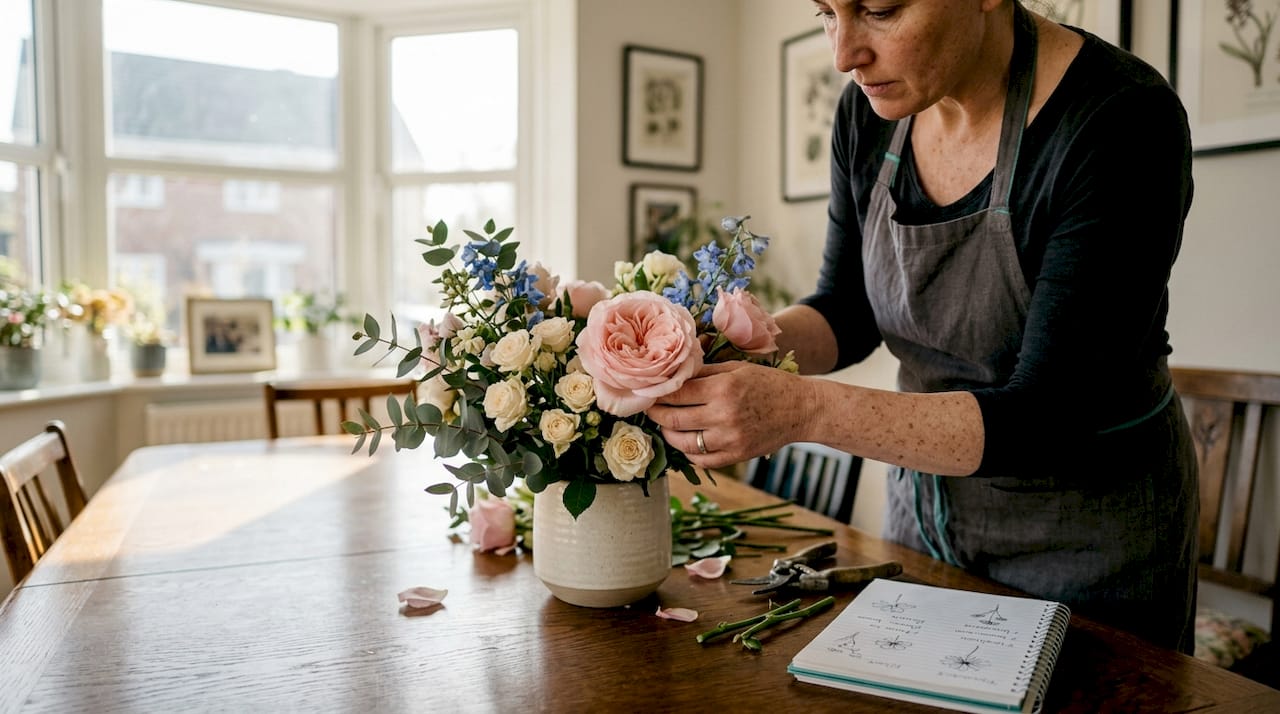
For a polished result, explore the full range of arrangement styles to understand how Western and Eastern traditions differ.
Steps to creating a balanced seasonal arrangement:
- Select one or two focal flowers as your centrepiece blooms
- Add line flowers to establish the overall height and shape
- Fill gaps with complementary filler flowers for volume
- Incorporate foliage to add texture and ground the design
- Stand back and adjust, always working in odd numbers (3, 5, or 7 stems)
| Style | Visual outcome | Best for |
|---|---|---|
| Western (European) | Full, layered, symmetrical | Weddings, corporate events |
| Ikebana (Japanese) | Minimal, sculptural, asymmetrical | Contemporary interiors, gifting |
For tools, traditional floral foam holds stems securely but has environmental drawbacks. Modern alternatives such as chicken wire frames or Japanese kenzans (pin frogs) offer a sustainable approach without compromising precision. Understanding floral craftsmanship for luxury occasions is what elevates a beautiful arrangement into something truly memorable. Knowing what makes arrangements stand out at high-end events is equally valuable.
Pro Tip: Mist summer blooms lightly and keep them below 21°C during events. Heat wilts petals far faster than most clients realise, and this single precaution can extend the life of an arrangement by several hours.
Matching mood, colour, and season for high-impact impressions
Colour is the language of emotion in floral design. Choosing the right palette for your occasion is as important as choosing the right flowers. Seasonal blooms offer a natural guide: spring pastels convey renewal and optimism; summer brights radiate vibrance and confidence; autumnal tones in burnt orange and deep burgundy signal warmth and appreciation; winter whites and deep greens project quiet elegance.
Colour and flower pairing by occasion:
- Weddings: Blush peonies and ivory roses for romantic refinement
- Corporate galas: Rich burgundy dahlias and deep foliage for gravitas
- Birthday gifting: Bright summer roses and sunflowers for joyful impact
- Sympathy tributes: Soft whites, creams, and lilac for respectful dignity
- Anniversary celebrations: Deep reds and champagne tones for intimacy
For impressive flower arrangements tailored to specific occasions, working with a florist who understands seasonal palettes makes an extraordinary difference. And when gifting, the luxury bouquet gifting guide is an excellent resource for pairing flowers to personalities.
“Matching seasonal palettes to mood boosts the happiness of both giver and recipient, creating a more meaningful and lasting impression.”
Corporate occasions demand particular consideration. Avoid overpowering scents in meeting rooms, reception areas, or dining spaces where guests may have sensitivities. Subtle, elegant seasonal choices such as white hydrangeas or winter greenery communicate sophistication without distraction.
Pro Tip: For winter events, incorporate dried pampas grass, preserved eucalyptus, or berry branches alongside fresh blooms. These materials last far longer and add a contemporary textural contrast that feels genuinely luxurious.
Economic and prestige advantages: why seasonal arrangements stand out
Luxury clients are astute. They understand that value is not simply a matter of price, and increasingly, the most discerning hosts and gift-givers are choosing seasonal arrangements not just for their beauty, but for what they represent. Choosing seasonal is a statement of informed taste.
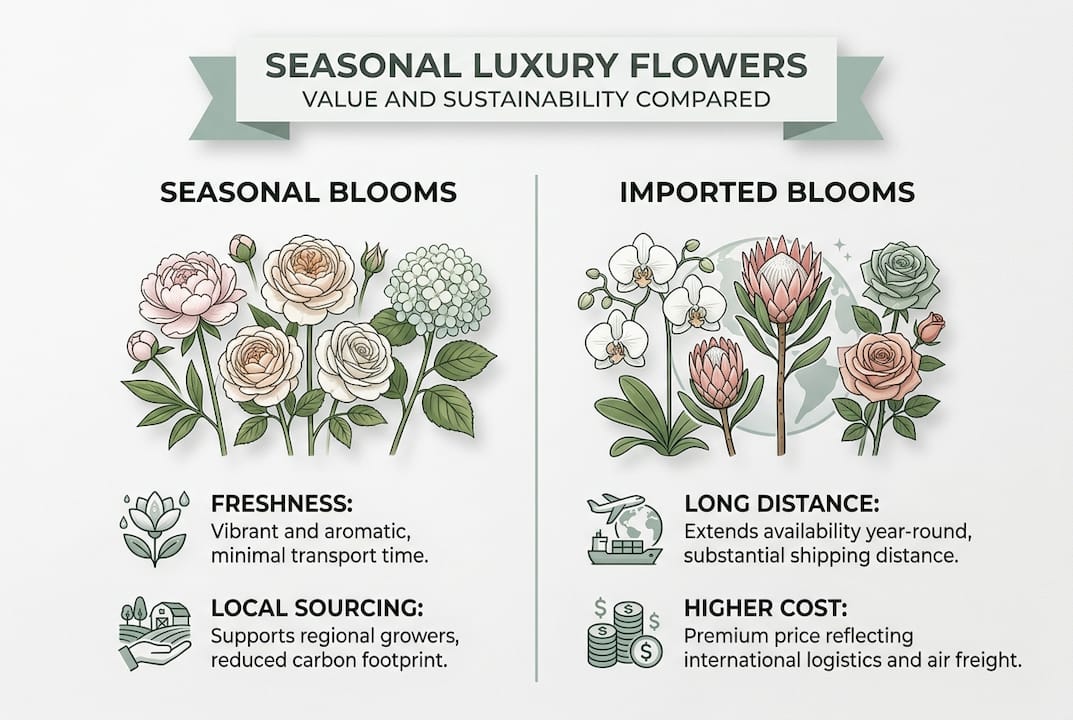
| Factor | Seasonal arrangement | Off-season imported |
|---|---|---|
| Typical cost | £45 to £100 | £80 to £150+ |
| Vase longevity | 10 to 14 days | 5 to 8 days |
| Social media engagement | Up to 3x higher | Average |
| Sustainability perception | Strongly positive | Mixed |
Seasonal flowers are 30 to 50% cheaper than off-season imports, with UK luxury bouquets averaging £45 to £100, while wedding florals can reach £2,500 to £6,000 for full venue styling. The cut flowers market report shows consistent growth in consumer preference for locally sourced, sustainably grown stems.
Why seasonal arrangements deliver superior prestige:
- They signal genuine knowledge and intention, not just spending power
- Local sourcing supports British growers and artisan florists
- Seasonal designs photograph more naturally, boosting event documentation
- They align with modern luxury values around sustainability and authenticity
For clients exploring the value of flower delivery at a premium level, the economics of seasonal sourcing are compelling. Those evaluating local flower sourcing alternatives will find that Birmingham has a strong network of skilled local florists ready to deliver exactly this standard.
From inspiration to impact: how to commission or create your seasonal arrangement
Whether you are briefing a professional florist or arranging stems at home, having a clear plan makes all the difference. Luxury arrangements do not happen by accident.
How to brief your florist for a flawless result:
- Share your visual inspiration, mood boards, or reference images
- Specify your colour palette and any colours to avoid
- Confirm the event type, formality, and setting
- Request seasonal and locally sourced blooms wherever possible
- Discuss sustainability preferences, such as foam-free construction
- Ask to see portfolio examples of similar seasonal work
For high-quality results, prioritise local UK suppliers for prestige, longevity, and alignment with sustainability values. A florist who sources seasonally will also have a more intimate knowledge of how each variety performs under event conditions.
For a DIY approach, choose a clear glass vase to let the stems speak for themselves. Select an odd number of seasonal stems, perhaps five or seven, and build a loose triangular shape with your tallest focal blooms at the centre. Add fillers and foliage around the edges for a full, professional finish.
Pro Tip: Before any event, ask your florist specifically how long the arrangement will look its best. A well-briefed professional will discuss water gel, stem conditioning, and temperature considerations to ensure your flowers are perfect from arrival to the final guest leaving.
For those planning ahead, the premium flower delivery guide covers everything from timing to presentation, while floral e-commerce for gifting offers insight into how to commission remotely with confidence.
Why seasonal arrangements are the true hallmark of modern luxury
There is a quiet revolution happening in the luxury floral world. For years, prestige was equated with rarity: orchids from Thailand, long-stemmed roses from Kenya, exotic anthuriums shipped across continents. But the most refined clients in Birmingham and Solihull are shifting their perspective, and rightly so.
True luxury today is about mindful sourcing and genuine artistry. An arrangement of perfectly conditioned British-grown peonies, cut at their peak and arranged by a skilled local florist, far outshines a vase of tired imported stems that have spent four days in a cargo hold. Why seasonal flowers look better is not just an aesthetic argument; it is a values argument.
Choosing seasonal arrangements champions British floristry, supports local growers, and signals that you understand what luxury actually means. The most memorable events are those where the flowers feel timely, personal, and authentic. Seasonal choices deliver all three, every single time.
Experience the art of seasonal luxury with BLÜME Flowers
If this guide has inspired you to think differently about floral design, we would love to help you take the next step. At BLÜME by Urban Design Flowers, we curate seasonal bouquets and bespoke arrangements for clients across Birmingham and Solihull who expect nothing less than exceptional.
From the beautifully crafted peony bouquet to the elegant Cherry Hill bouquet, our collections are designed to make a lasting impression. We also offer tailored corporate office flowers for businesses that understand the power of a refined, seasonal aesthetic. Whether you are gifting, hosting, or creating an event to remember, BLÜME brings the artistry of seasonal floristry to your door.
Frequently asked questions
Which flowers are best for spring, summer, autumn, and winter arrangements?
Spring suits tulips and peonies, summer excels with roses and hydrangeas, autumn favours dahlias and sunflowers, and winter works beautifully with evergreens, berries, and dried elements.
How do I keep my seasonal arrangement fresh for longer?
Mist summer blooms regularly and keep them below 21°C. For winter, evergreens and dried flowers last considerably longer than fresh cut stems and maintain their beauty throughout an event.
Are seasonal flower arrangements really more sustainable?
Yes. Local and seasonal sourcing reduces import costs by 20 to 50 per cent and significantly cuts environmental impact by eliminating long-haul refrigerated transport.
Is it possible to request a specific colour theme for a seasonal bouquet?
Absolutely. Simply share your preferred palette with your florist and they will select in-season stems to match both the mood and the occasion precisely.