


How to design floral art installations: a practical guide
TL;DR:
- Floral art installation design combines botanical materials with structural engineering to create immersive environments. Success depends on thorough site analysis, proper material selection, modular construction, and strict adherence to safety regulations. Planning carefully and using sustainable, modular methods results in impactful, safe, and environmentally conscious floral displays.
Floral art installation design is the practice of combining botanical materials with structural engineering to transform a space into an immersive, sculptural environment. Known in the industry as environmental floral design, it goes well beyond arranging flowers in a vase. The design process typically spans 2–4 weeks from initial brief to final sign-off. Planning that timeline well separates a breathtaking result from a last-minute scramble. This guide covers how to design floral art installations from site analysis through to on-site assembly, giving you a clear, practical framework to follow.
How to design floral art installations: start with the space
The space dictates every decision that follows. Professional florists confirm that venue characteristics must guide every aspect of an installation’s design to prevent discordant results. Before you sketch a single idea, you need to understand the room.
Conduct a thorough site visit
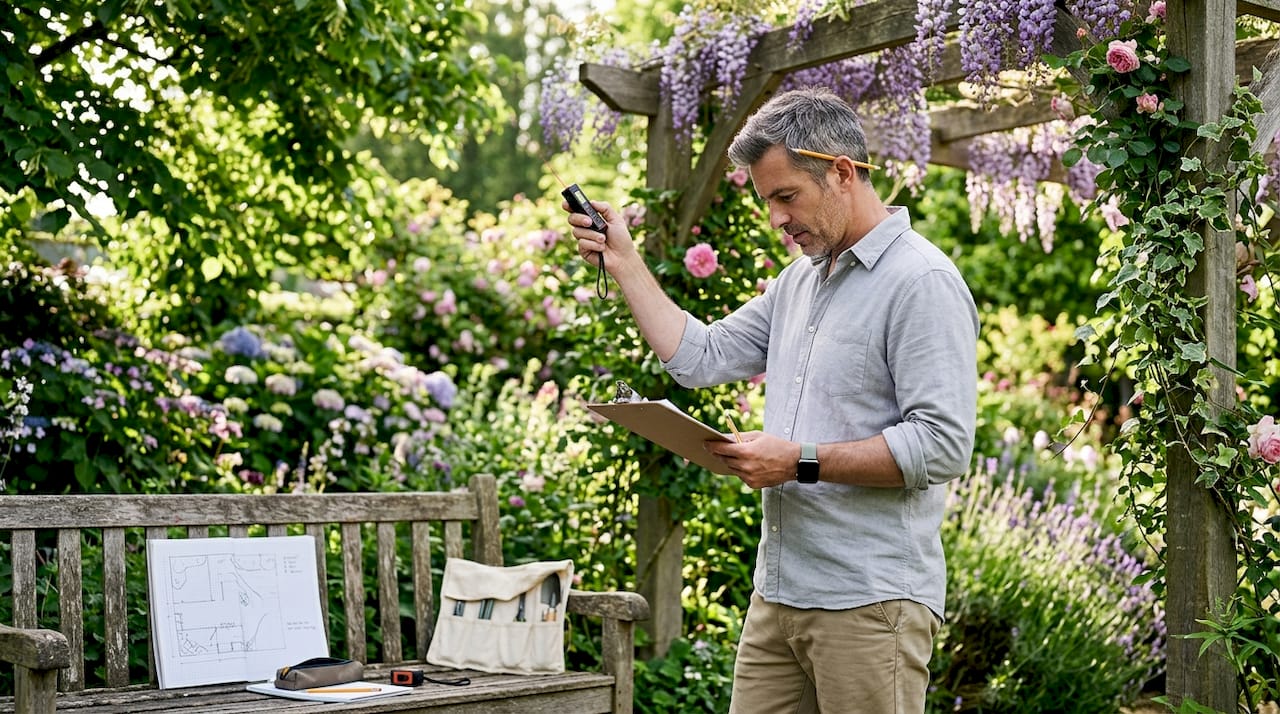
A site visit is non-negotiable for any installation of meaningful scale. Measure ceiling heights, note rigging points, and photograph the space from multiple angles. Assess natural light, artificial lighting positions, and the direction guests will move through the room. These details shape proportion, colour choice, and structural approach.
Key factors to record during your site assessment:
- Ceiling height and any existing rigging infrastructure
- Load-bearing points and structural beams
- Proximity to fire suppression systems and sprinkler heads
- Traffic flow and guest circulation paths
- Power access for lighting integration
- Ventilation and temperature, which affect flower longevity
Failing to conduct a technical walkthrough with venue operations is one of the most common and costly mistakes in installation design. Issues with load capacity, fire suppression clearance, and access routes only surface during these walkthroughs.
Pro Tip: Bring a laser measure, a spirit level, and a camera to every site visit. Sketch the room to scale on graph paper before you open any design software. Proportions that look right on screen often feel wrong in a real space.
Once you have your measurements, build a mood board that references the venue’s architectural character. A Georgian ballroom calls for a different visual language than a converted industrial warehouse. Your concept must speak to the space, not fight it.
Choosing the right materials for your floral installation
Material selection determines durability, sustainability, and visual impact. Seasonal flower choices greatly affect design viability, so understanding what is available and when keeps your design realistic and your budget intact.
Fresh, preserved, and artificial flowers
Each flower type serves a different purpose in installation work:
- Fresh flowers deliver the richest colour and fragrance but require hydration systems and have a limited lifespan of 3–5 days without refrigeration.
- Preserved flowers retain their form for months and suit installations in permanent or semi-permanent settings, such as corporate lobbies or retail displays.
- Artificial flowers offer total control over colour and form, work well in outdoor or high-heat environments, and carry no wilting risk.
Most large-scale installations combine all three. Fresh blooms occupy focal points where guests look closely. Preserved or artificial stems fill structural areas where detail matters less.
Structural bases and sustainable alternatives
The base material holds everything together. Sustainable alternatives to floral foam include chicken wire, angel vine, and reusable zip ties, all of which create hydrated, sturdy bases without the environmental harm of traditional foam. Birch branches and recycled metal armatures add height and texture while keeping the structure lightweight.
Sustainability in floral installations is now a defining trend, with leading designers moving towards reusable components and seasonal blooms as standard practice. Avoiding floral foam is no longer a niche choice. It is becoming the professional baseline.
Pro Tip: Build a small test cluster using your chosen base material before committing to the full installation. A 30-centimetre prototype reveals weight distribution issues and hydration problems before they become expensive on-site surprises.
Technical and engineering approaches to building floral installations
Installation design is 50% technical engineering. Aesthetic vision without structural rigour produces installations that look beautiful in photographs and dangerous in person. The two disciplines must work together from the earliest planning stage.
Build modular for efficiency and flexibility
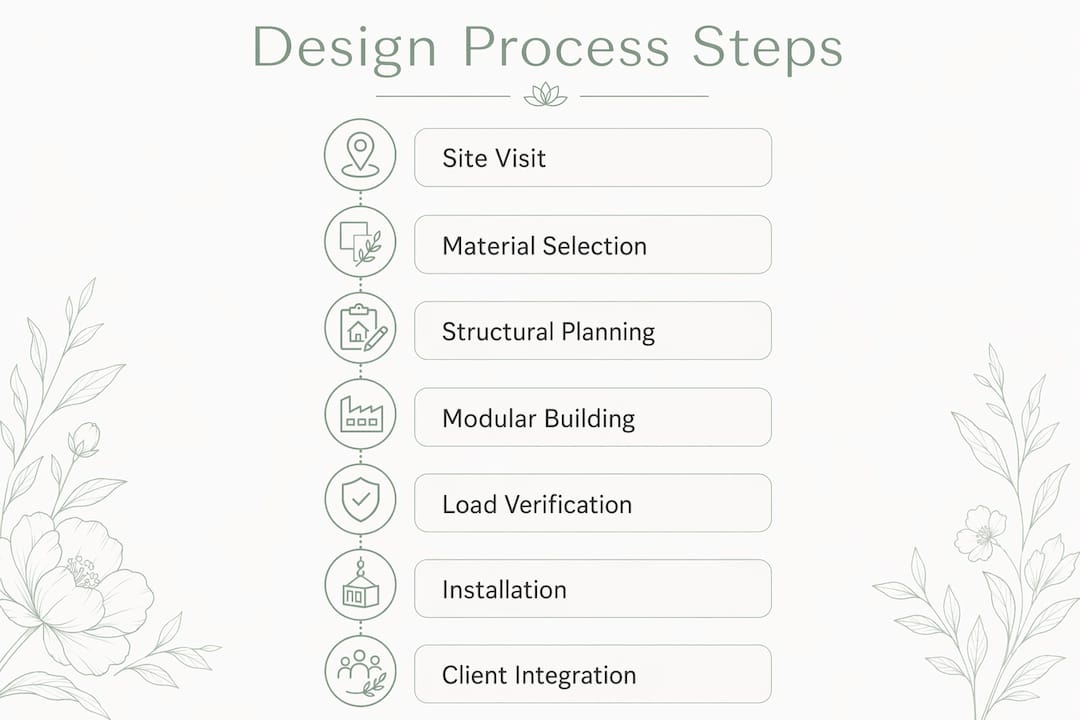
Modular construction is the single most effective technique for large-scale floral installations. Modular design techniques enable building components off-site and assembling them quickly on location, reducing on-site time and the risk of damage during construction. Each module is a self-contained cluster, typically built around a wire or foam-free armature, that clips or ties into the main structure.
The strategic benefit goes beyond speed. Modular builds allow you to assign high-value stems to the most visible focal points and reserve less expensive greenery for background fill. That approach controls cost without compromising visual impact.
Layering for depth and sculptural impact
A well-designed installation reads in three layers:
- Base greenery. Eucalyptus, ruscus, and fern create the foundational mass and define the overall silhouette.
- Structural botanicals. Branches, dried grasses, and preserved elements add height, movement, and architectural interest.
- Feature blooms. Peonies, garden roses, and ranunculus occupy the eye-level focal zones where guests engage most closely.
Negative space is as important as the flowers themselves. Leaving deliberate gaps within the structure creates visual depth and prevents the installation from reading as a flat wall of colour.
“The most memorable floral installations are not the ones packed with the most flowers. They are the ones where every stem has a reason to be exactly where it is, and the space between them is just as considered as the blooms themselves.”
Load calculations and legal compliance
Venue load-bearing verification is legally required for large overhead installations. In public venues and historic buildings, certified load calculations are mandatory with no tolerance for non-compliance. Commission a structural engineer’s report for any suspended installation exceeding a weight you cannot independently verify. This protects you, your client, and the venue.
Step-by-step installation process and pitfalls to avoid
Complex installations typically require 8–10 hours on site for assembly. Modular prefabrication can cut that time significantly, but only if the logistics are planned in advance. A clear sequence prevents wasted effort and protects delicate blooms.
Follow this build sequence for reliable results:
- Deliver and stage materials. Bring all components to the venue in labelled, numbered containers that match your build plan. Stage them in the order you will use them.
- Install the structural framework first. Fix rigging points, erect armatures, and confirm all load-bearing elements are secure before a single flower is placed.
- Add base greenery. Work from the back of the structure forward, and from the bottom upward, to avoid disturbing completed sections.
- Place structural botanicals. Insert branches and dried elements to establish height and movement across the installation.
- Position feature blooms last. These are the most fragile and the most expensive. Place them when the structure is complete and stable.
- Step back and assess proportion. View the installation from the same distance and angle that guests will experience it. Adjust balance and fill gaps before declaring it finished.
Pro Tip: Pack an emergency kit containing extra zip ties, floral tape, spare stems of your base greenery, and a water mister. Installations shift during the event, and a five-minute fix on-site is far less stressful than a visible gap in a focal arrangement.
Common mistakes that derail installations include ignoring venue constraints identified during the site visit, underestimating the weight of hydrated flowers, and failing to account for the time needed to condition fresh stems before build day. Conditioning roses and peonies for 24 hours before installation keeps them open and hydrated at exactly the right stage.
How to integrate art with floral design and client vision
Translating a client’s emotional brief into a spatial installation requires a structured creative process. The goal is to blend art with flowers in a way that feels intentional rather than decorative. For inspiration on modern floral styling approaches, studying current design trends alongside your client’s references builds a shared visual language quickly.
Use these principles to guide the creative integration:
- Movement. Trailing vines, arching branches, and cascading blooms create a sense of energy. Static, symmetrical arrangements feel formal. Asymmetric, flowing designs feel alive.
- Contrast. Pair soft, rounded blooms like garden roses with angular, textural elements like dried seed heads or sculptural branches. Contrast creates visual tension that holds the eye.
- Rhythm. Repeat a colour, a texture, or a bloom type at regular intervals across the installation. Rhythm creates cohesion and guides the viewer’s gaze through the space.
- Colour temperature. Warm tones (coral, amber, deep red) advance visually and feel intimate. Cool tones (white, pale blue, sage green) recede and feel expansive. Match colour temperature to the emotional atmosphere the client wants to create.
The venue’s own personality must inform every choice. A minimalist gallery space calls for restraint and negative space. A grand hotel ballroom rewards abundance and drama. For guidance on matching floral choices to artistic themes, the relationship between colour palette and spatial mood is the most reliable starting point.
Key takeaways
Successful floral art installations require equal parts creative vision, structural planning, and logistical precision, with the space always driving the design.
| Point | Details |
|---|---|
| Space drives every decision | Conduct a detailed site visit before any design work begins to avoid structural and aesthetic mismatches. |
| Modular builds save time and money | Building clusters off-site reduces on-site assembly to a fraction of the standard 8–10 hour window. |
| Sustainability is now standard | Replace floral foam with chicken wire, angel vine, and reusable armatures to meet current professional expectations. |
| Legal compliance is non-negotiable | Obtain certified load calculations for all suspended installations in public or historic venues. |
| Layering creates depth | Structure installations in three layers: base greenery, structural botanicals, and feature blooms placed last. |
What I have learned from designing floral installations
The technical side of installation design surprises most people who come from a pure floristry background. I spent years arranging flowers beautifully before I understood that a suspended installation is, at its core, a structural engineering problem with flowers attached. The moment that clicked, my work improved dramatically.
The single piece of advice I give every designer starting out is this: do the technical walkthrough before you fall in love with a concept. I have seen stunning ideas abandoned on the day of installation because nobody checked the rigging points or the fire suppression clearance. That conversation with the venue’s operations manager feels administrative. It is actually the most creative thing you can do, because it defines what is genuinely possible.
Modular design changed how I work entirely. Building clusters in the studio, in controlled conditions, with the right tools and lighting, produces far better results than rushing the same work on a venue floor at 6AM. The event floral planning process becomes far less stressful when you arrive on-site with 80% of the work already done.
The trend I find most exciting right now is the move towards sensory installations. Designers are thinking about scent, texture, and even sound alongside visual impact. Installations that guests can smell from across the room, or that rustle gently in air conditioning, create a memory that photographs alone cannot replicate. That is where the discipline is heading, and it is a genuinely thrilling place to be.
— Steve
Flowers to complement your floral installation project
Planning a floral installation means thinking carefully about which blooms carry the most visual weight at the scale you are working with.
Blumeflowers offers a curated selection of premium seasonal bouquets that translate beautifully into installation work. The Beautifully Simple Peony Bouquet is a strong choice for focal-point clusters, with its full, layered blooms delivering the kind of presence that reads well at distance. For a cleaner, more architectural line, The Tulip Bouquet adds elegant vertical movement to structural arrangements. Both options reflect the seasonal approach that professional installation designers rely on for freshness and reliability. Blumeflowers delivers across Birmingham, Solihull, and surrounding areas, making it straightforward to source premium stems for your next project.
FAQ
How long does it take to design a floral installation?
The design process typically takes 2–4 weeks from the initial client meeting to final sign-off, depending on project complexity and venue requirements.
What budget should I set aside for a large floral installation?
Event budgets typically allocate 10–15% for flowers, but large-scale installations regularly exceed this due to structural engineering, rigging, and additional labour costs.
Do I need a structural engineer for a hanging floral installation?
Yes. Certified load calculations are legally required for suspended installations in public or historic venues, and venues can refuse permission without approved documentation.
What is the best alternative to floral foam in installation design?
Chicken wire, angel vine, and reusable zip ties are the most effective sustainable alternatives, providing strong, hydrated bases without the environmental impact of traditional floral foam.
How do I reduce on-site assembly time for a large installation?
Modular prefabrication is the most reliable method. Building clusters off-site and assembling them on location cuts the standard 8–10 hour on-site window significantly.